Weekly update (8th to 14th September)


1. Russian drone incursion into Poland tests NATO boundaries
On 9–10 September, military drones allegedly launched from Russia violated Polish airspace, marking a direct provocation against a NATO member. Poland invoked Article 4, prompting urgent allied consultations. In response, NATO began Operation Eastern Sentry on 12 September to reinforce air defences along its eastern flank.
2. Zapad 2025 military drills heighten regional tension
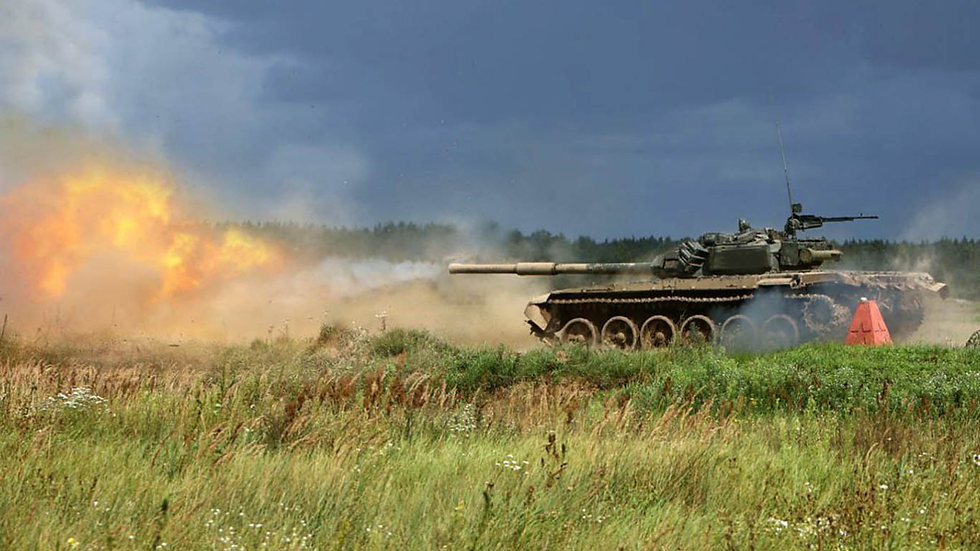
From 12 to 16 September, Russia and Belarus carried out Zapad 2025, a joint strategic exercise with around 13,000 personnel. The drills, held close to NATO borders, were interpreted as both a show of strength and a warning amid heightened European security anxieties.
3. Israeli strikes in Yemen escalate regional conflict
On 10 September, Israel launched airstrikes on Sanaa and Al Jawf, killing at least 46 people and injuring over 160. Among the dead were 31 media workers, making it one of the deadliest attacks on journalists in the region in years.
4. China’s economic slowdown intensifies
Data released on 12 September showed Chinese exports falling at their fastest pace in six months, reflecting the impact of ongoing tariff tensions with the U.S. and weaker global demand. The figures raised concerns over Beijing’s ability to sustain growth while also funding its expansive foreign policy and military modernisation.

5. G20 Finance Ministers & Central Bank Governors Meet in Rio (12–14 September)
Between 12 and 14 September 2025, finance ministers and central bank governors from the G20 gathered in Rio de Janeiro under Brazil’s presidency for their annual meeting, held against a backdrop of slowing global growth. Discussions focused on the impact of trade tensions, persistent inflation, and diverging monetary policies between advanced and emerging economies. The official agenda emphasised strengthening global financial resilience, addressing debt vulnerabilities, and advancing climate and sustainable finance. Participants also reaffirmed commitments to multilateral cooperation and inclusive development.
6. Nepal’s new interim government
Following the mass protests, Sushila Karki was sworn in as Nepal’s interim prime minister on 12 September 2025, becoming the country’s first female head of government. Parliament was dissolved that same day, with new elections scheduled for 5 March 2026. Karki’s new cabinet, announced on 15 September, includes reform-minded ministers who have pledged to investigate corruption, arson, and government excesses tied to the unrest. Her interim government has promised monetary compensation for victims’ families, free treatment for the injured, and a full commission of inquiry to hold perpetrators accountable